


Learn to measure, manage and strengthen nature in cities
The IUCN Academy proudly presents the Professional Certificate on Nature for Cities – an advanced training programme designed for professionals across all sectors who are committed to shaping greener, more resilient, and biodiverse urban environments.
About this course
Nature is increasingly recognised as essential urban infrastructure, helping cities build resilience to climate change, reduce disaster risk, improve public health and support long-term economic prosperity. As governments, businesses and investors place greater emphasis on nature-positive development, professionals who understand how to integrate nature into planning, infrastructure and public policy are becoming increasingly valuable.
The IUCN Academy’s Professional Certificate on Nature for Cities equips participants with the knowledge, practical tools and internationally recognised frameworks needed to integrate nature into the built environment and address the ecological impacts of urban development.
Central to the course are the IUCN Urban Nature Indexes (UNI), a standardised framework for understanding how cities depend upon, impact and can regenerate the natural systems that sustain them. Structured around six interconnected themes, the UNI provides a holistic lens through which participants explore urban ecosystems. Throughout the course, participants apply this framework to real-world case studies, identify practical opportunities for action and develop locally relevant solutions that reconcile urban growth with biodiversity conservation and human well-being.
Who should attend this course?
This course is designed for professionals working at the intersection of cities including—urban planners, consultants, engineers, landscape architects, ecologists, climate adaptation and resilience specialists, development agencies and international organisations, local authorities, researchers and natural capital professionals—who wish to deepen their understanding of how cities can work with nature to enhance resilience, liveability and biodiversity.
What will you get from this course?
By joining the Professional Certificate on Nature for Cities, you will:
- Learn how to integrate nature into urban planning and decision-making using the IUCN Urban Nature Indexes.
- Gain practical tools to assess, monitor and improve urban biodiversity using evidence-based methods.
- Analyse real-world case studies to explore how cities are addressing biodiversity, resilience and urban development challenges.
- Evaluate evidence-based methods for measuring urban ecosystems and identifying opportunities for action.
- Connect with an international network of experts and professionals through group work, discussions and live sessions with experts.
Course details
📅 Course dates: 27 August – 1 October 2026 (detailed schedule)
⏰ Live session timing: The live sessions are scheduled from 13:00 to 15:00 CET.
⏳Duration: 5 weeks
🕒 Weekly estimated effort: 5 – 7 hours, including live sessions
📖 Course type: Hybrid – self-paced e-learning + expert live sessions.
📚 Includes: Modules, individual & group assignments
🗣️ Language: English
🏅 Award: Professional Certificate upon successful course completion
Fees
- IUCN Commission members: 33% discount on the non-profit rate.
- Young Commission members (under 35): 50% discount on the non-profit rate.
- IUCN Members organisations: up to 75% discount depending on category of membership as detailed here
- Non-Profit Organisations: 1’450 CHF
- For-Profit Organisations: 1’750 CHF
- A number of partial scholarships are available for nationals from developing countries and LDCs, contact [email protected] for more information.
- IUCN Staff: sign up via this link.
For successful completion, participants must:
✅ Attend live sessions.
✅ Complete the individual and group assignments.
Course trainers

Head of Science & Natural Capital Nature Broking;
IUCN CEM Commission member
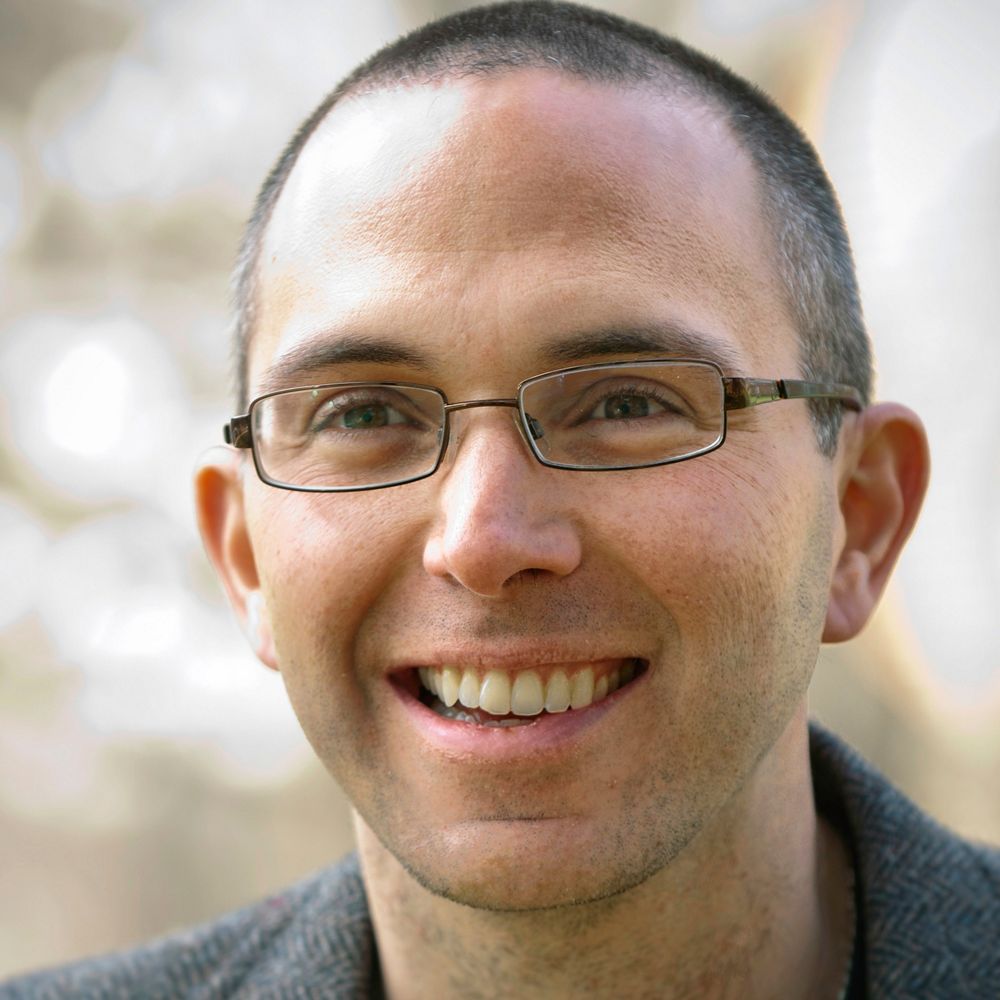
Lead Scientist for Nature-Based Solutions and Lead Scientist for Europe
The Nature Conservancy
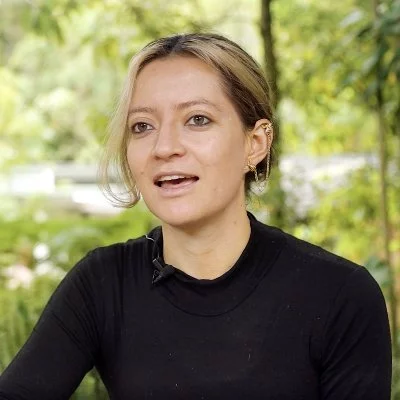
Regional Curator, Latin America & the Caribbean
The Nature of Cities (TNOC)

Principal and Founder
Second Nature Ecology and Design

Strategic Lead, City Systems – Europe, WRI Ross Center for Sustainable Cities
World Resources Institute
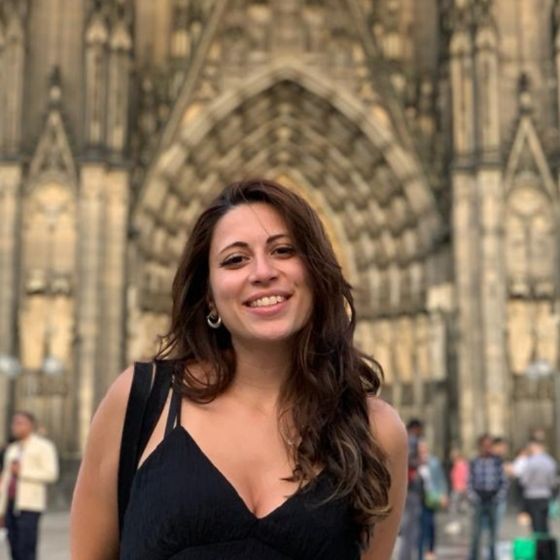
Senior Programme Officer – Urban
IUCN
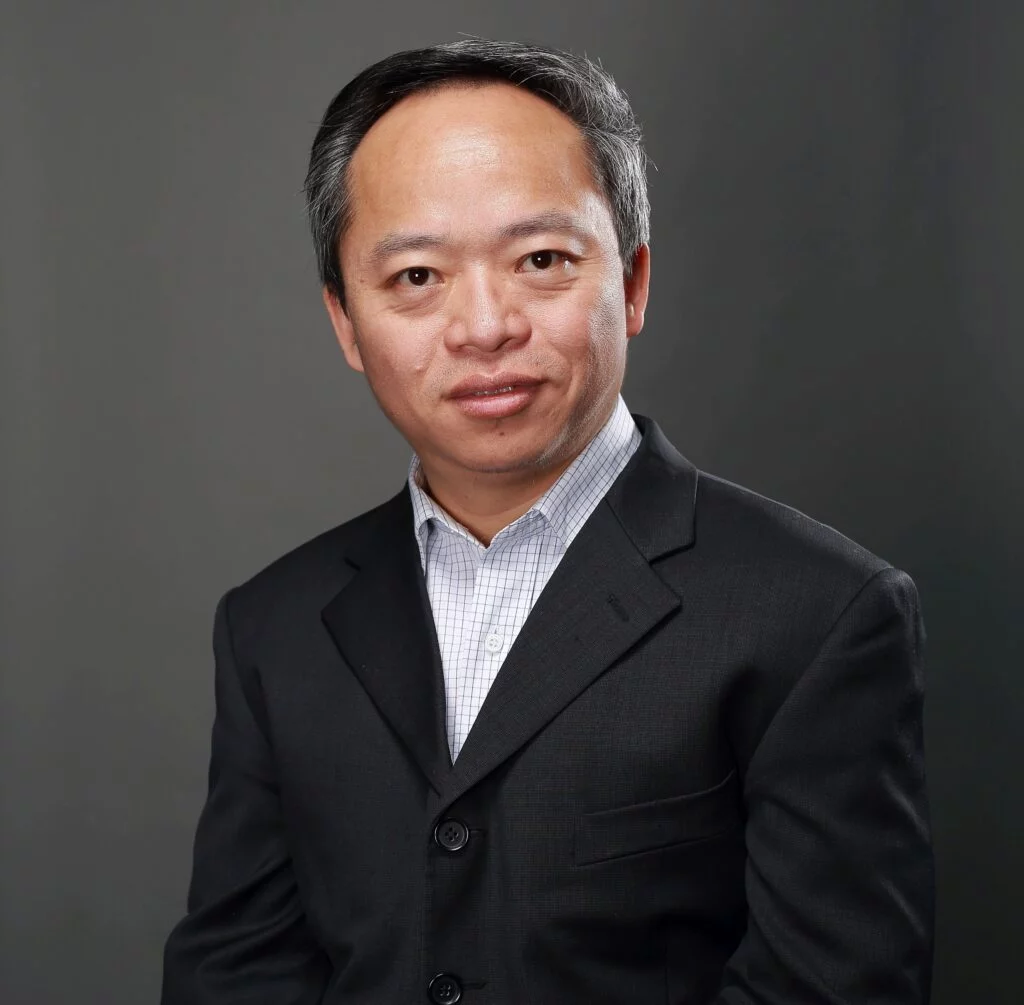
Professor, Department of Earth System Science
Tsinghua University
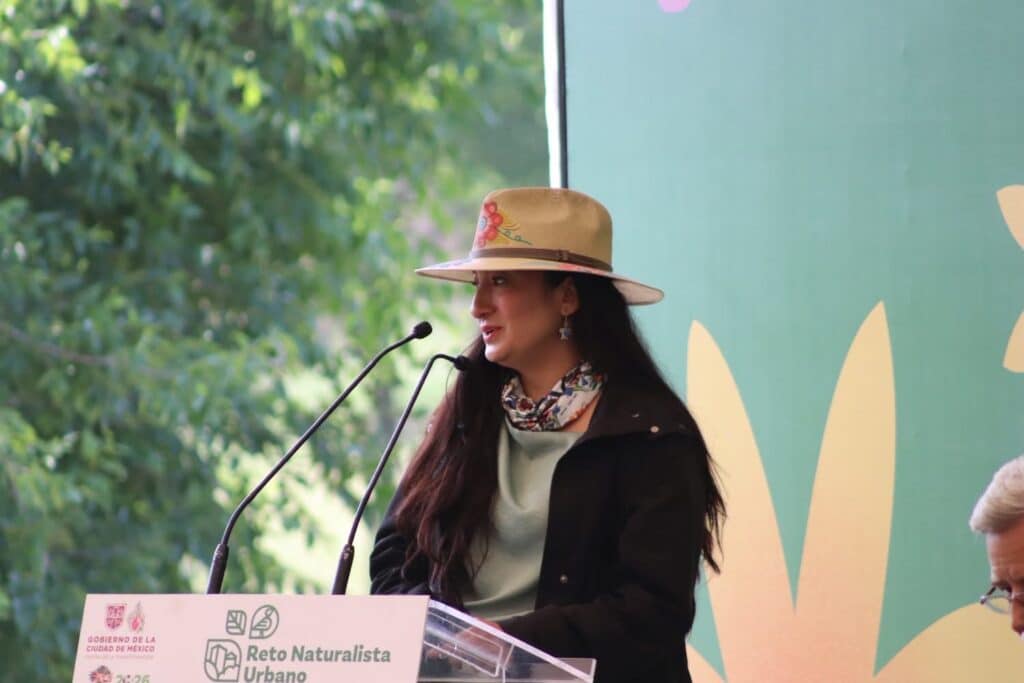
Coordinator of Biodiversity Strategies
Secretaría del Medio Ambiente de la Ciudad de México (SEDEMA)
Testimonials from course alumni
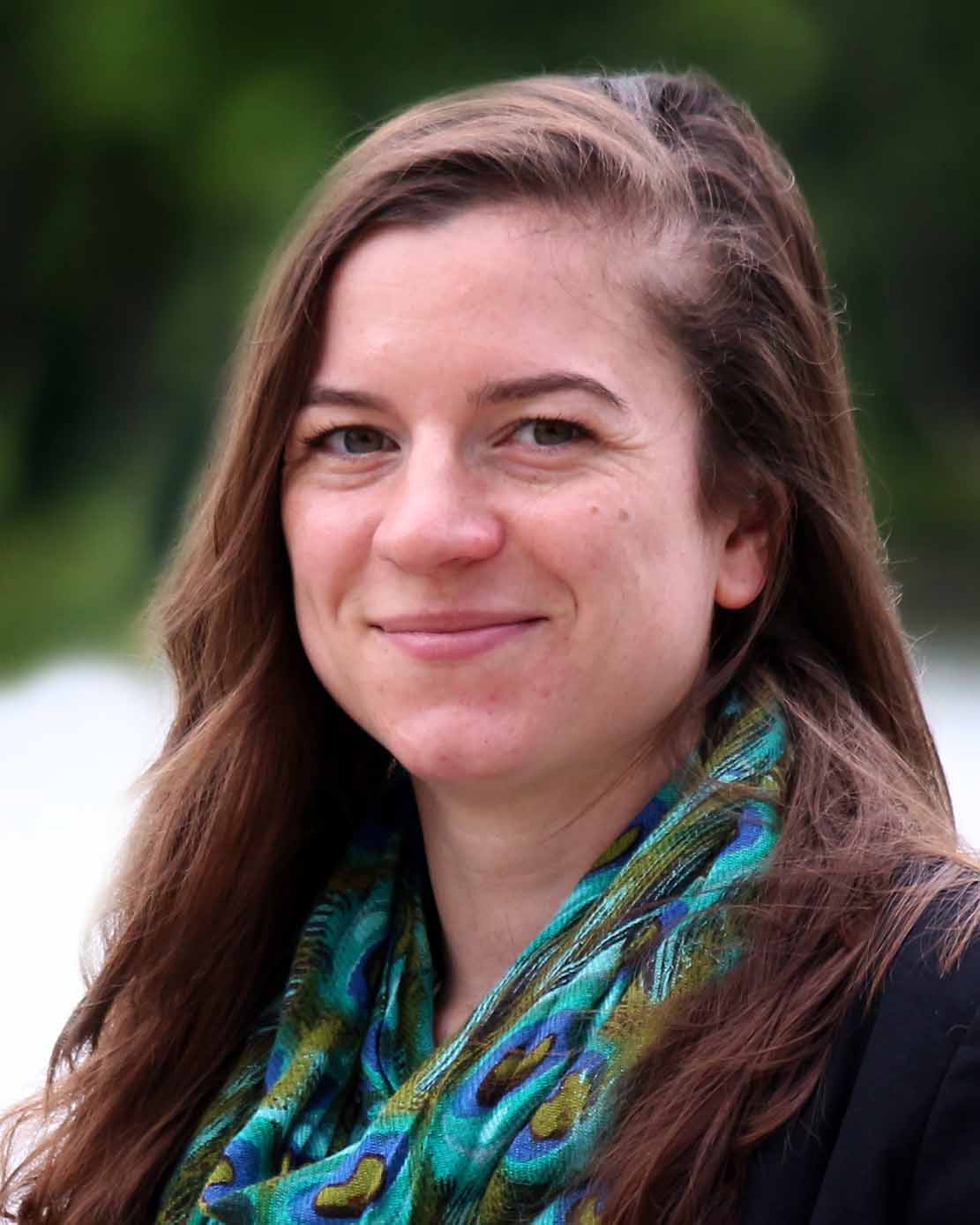
Jennifer Dunn
Green Cities Associate,
AIPH
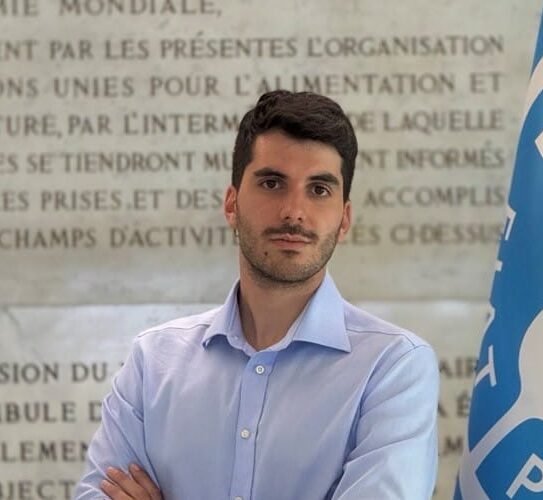
Giordano Della Rossa
Urban Forestry and Landscape Specialist,
FAO Green Cities Initiative

Benni Pong
Vice President,
The Hong Kong Institute of Landscape Architects

Course Includes
- 17 Lessons